
What Park City’s past might teach us about its next chapter.
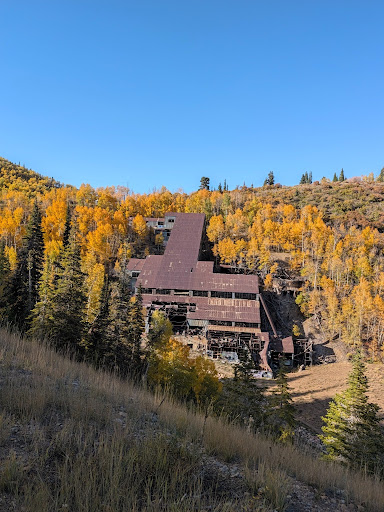
There is something rather useful about looking at an old mining building halfway up a mountain. It reminds you that the place you think you know has already lived another life. Those of us who came to Park City for the skiing, trails and mountain lifestyle can easily forget that people once came here for entirely different reasons. They were looking for work, fortune, perhaps a fresh start. The mountains were an opportunity then, too, although enjoying the view was probably fairly low on the agenda.
The silver-mining stories behind our recent outing have left me thinking about transition. How does a town move from one identity to another? Who sees the possibility first, and what does it take to persuade everyone else that an uncertain future might be worth building?
One story, in particular, brings those questions down to a very human scale. It begins with a little boy living in a mine watchman’s cabin and eventually reaches the White House.
Jack Gallivan spent his early childhood in the Alliance watchman’s cabin, where his father worked as the watchman. The building, constructed in 1895 as both an office and a home, survives as part of Park City’s Historic Mine Route. It is a modest starting point for someone who would later help change the economic direction of the town. [1]
When Jack was around five, his mother died. He went to live with his aunt, Jennie Kearns, the widow of Thomas Kearns, whose interests included the Silver King mines and The Salt Lake Tribune. Jack eventually joined the newspaper in 1937 and built a career that placed him at the centre of Utah’s civic life. His circumstances changed enormously, but Park City remained part of his story. [2]
By the middle of the twentieth century, the town needed a change of circumstances of its own. Mining had been declining for decades. Jobs disappeared, families left, and a community built around the value beneath its mountains faced an increasingly uncertain future. The Museum’s account records that 900 miners lost their jobs in 1949; in 1951, Park City appeared in a book called Ghost Towns of the West, despite still having more than a thousand residents. Imagine reading that assessment of the place you called home. [2]
The mountains, however, were still there.
United Park City Mines began exploring recreation as another source of income. By 1957, board members were discussing diversification, and eventually a proposal emerged to build a ski resort. Snow, which had complicated the business of getting to work and extracting ore, could become a reason for people to visit. That possibility needed investment before it could become anything more than a hopeful conversation. [3]
This is where Gallivan’s story and Park City’s story come together. He had developed a friendship with John F. Kennedy, and on 10 August 1962 attended a White House meeting with the President. Park City’s application for a federal redevelopment loan had been sitting unanswered for months. Gallivan raised it with Kennedy, who asked his press secretary, Pierre Salinger, to follow up. Before the month ended, a $1.2 million loan had been approved. United Park City Mines matched the federal contribution, and the new resort opened on 21 December 1963. [4]
There is something wonderfully tangible about that sequence. A town needed a future. People developed a proposal. Someone used a relationship to get the proposal heard. Money followed, then construction, then people arriving with skis.
The transition even reused the workings of the old industry. After the resort’s first season, skiers travelled through the Spiro Tunnel in converted mine transport and took a hoist up to the surface to reach the Thaynes chairlift. The machinery of one chapter helped open the next. It sounds like an unusually adventurous journey to first tracks, with considerably less daylight than most of us would prefer. [5]
Looking back, the move from mining to skiing seems obvious. Living through it would have been another matter. A promising idea does not pay wages immediately, and the people carrying the uncertainty rarely have the benefit of knowing how the story ends. What interests me is the willingness to recognise that a place could become something more while retaining the history that made it.
That brings me to the transition I would like to help build now.
Park City already attracts people who want to be active. Many of us organise our lives around skiing, hiking, cycling and the chance to spend time outside. My question is how we turn that desire into a community where more people can remain healthy, capable and connected for longer. How do we make it easier to keep participating as we age, and extend that opportunity to the people whose work keeps this town running?
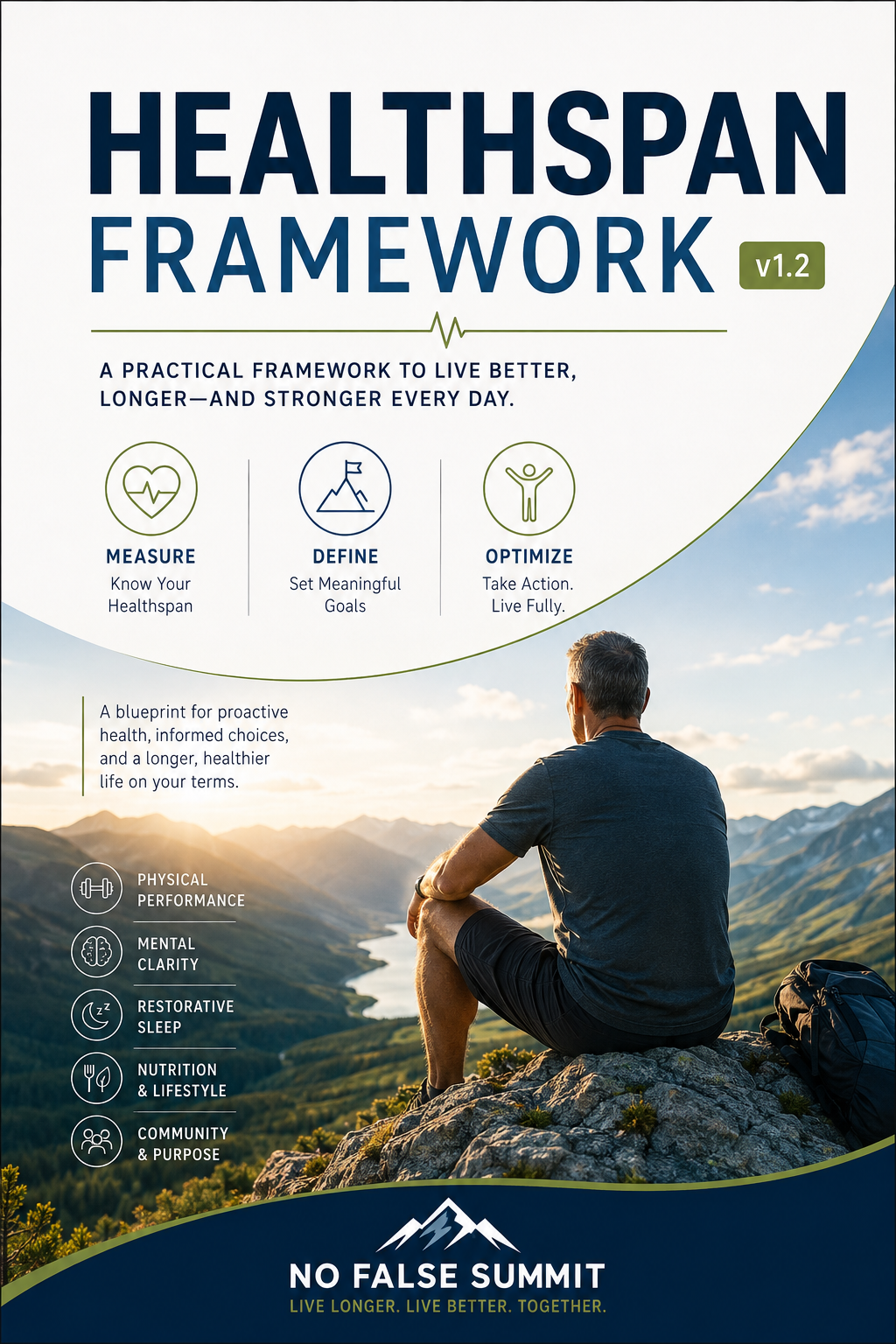
My own ambition is fairly specific: I want to ski and play tennis on my hundredth birthday as I wrote about here. It is an excellent goal until you start considering everything that will need to remain in working order. Strength, balance, energy, friendships and somewhere to play all matter. So does having a reason to get out of bed and people who expect you to turn up.
That is why longevity interests me beyond the clinic. It reaches into the food we eat, the homes and workplaces we occupy, the way we move through a day and the communities we belong to. A town can help those things happen through practical choices: places to gather, opportunities to move, support for prevention and healthier daily routines that people can realistically sustain.
Argentis is my contribution to that work, bringing health, movement, recovery, work and community into a more connected experience. The wider ambition is to help Park City become an intentionally healthier community by 2050, with some ideas for that discussed here. That will require participation far beyond one business, with benefits that reach beyond those who can afford a private membership.
I see a useful lesson in the town’s earlier transition. The ski resort needed more than enthusiasm about snow. It needed a plan, funding, infrastructure and people willing to do the work. Our next chapter deserves the same seriousness, alongside a clear understanding of whom it is meant to serve.
The mountains have already supported very different visions of a good life. We now have an opportunity to consider what growing older here could look like, and to begin building the conditions we would want for ourselves, our children and our neighbours.
What would Park City need to change for you to picture yourself still living an active, connected life here at ninety or a hundred – and what part of the town would you insist we preserve?
Sources and editorial review notes
Supporting references for the numbered citations in the draft.
[1] Alliance Watchman’s Cabin
[2] Park City Museum – A Tale of Two (Ski) Cities, part 4
[3] Park City Museum – A Tale of Two (Ski) Cities, part 5
[4] Park City Museum – Friends in High Places
[5] Park City Mountain – 1963-1973
https://www.parkcitymountain.com/blog/park-city–1963-1973.aspx